
One in three stroke survivors may be missing life‑saving medication, new research suggests
Action on Stroke Month (May): why medication could prevent a second stroke and why many don’t get it
New research undertaken at University of Bradford is investigating why as many as one in three stroke survivors are missing out on life‑saving medication.
Stroke survivors who miss out on essential preventative medication increase their risk of suffering a second – often more disabling – stroke.
Stroke survivors are up to 15 times more likely to have another stroke than someone who has never had one. Preventative medication such as statins (to reduce artery‑blocking cholesterol) and anticoagulants (to prevent dangerous blood clots) can cut the risk of a second stroke by up to 66%, yet national research shows 20-40% of eligible patients miss out. Bradford’s findings fall squarely within this national picture.
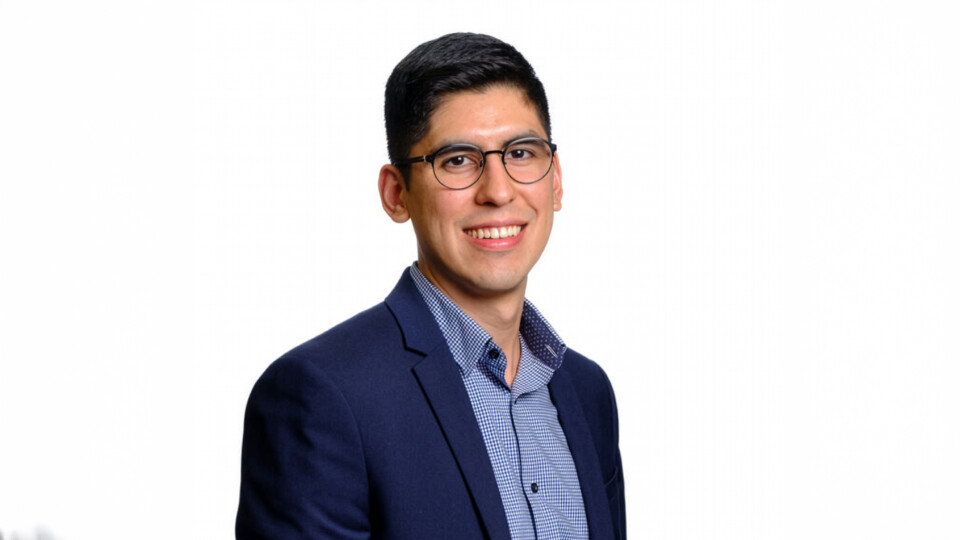
The new analysis, led by Dr Alejandro González Aquines, a trained physician and now public health researcher, uses anonymised health data from over 900,000 people through Connected Bradford to examine prescription patterns across the region.
Early results reveal clear inequalities: women and younger stroke survivors appear less likely to receive cholesterol‑lowering medication after their first stroke.
Dr González Aquines said: “A second stroke can be devastating. The medications that help prevent it are well understood, safe, and widely available – but too many people still slip through the net. By understanding who is missing out and why, we can help health services close that gap.”
The project is now expanding to use national datasets, combined with interviews with stroke survivors, carers and healthcare professionals. The aim is to uncover practical barriers – from communication struggles to assumptions made by clinicians, to cultural and language obstacles.
Ahead of Stroke Awareness Month this May (known in the UK as Make May Purple / Action on Stroke Month), Dr González Aquines says the clearest takeaway for stroke survivors is simple.
He said: “Ask your healthcare team whether you’re receiving the full set of medicines recommended to reduce your risk of a second stroke. Ask specifically about blood pressure medication, cholesterol-lowering (statins), and blood thinners (anticoagulants) if you have been diagnosed with heart rhythm problems. And if you’re not sure, ask again. These are life‑saving conversations.”
The work is supported by national stroke leads, Integrated Care Boards, charities and community groups including the Stroke Association and Different Strokes, ensuring that findings can feed directly into improvements in care.
Making stroke prevention accessible to everyone
By Dr Alejandro González Aquines, University of Bradford
Most of us know someone whose life changed overnight because of a stroke. For me, it became painfully real when a close family member gave up her job to become a full‑time carer after her partner’s stroke. Suddenly the costs of home adaptations, the emotional load and the loss of independence fell on their shoulders – not just his.
As a trained physician, I learned quickly that stroke prevention doesn’t start in hospitals or consulting rooms. It starts well beyond, in communities, in families and in all the everyday interactions stroke survivors have with health services.
One fact always stands out: stroke survivors have up to 15 times the risk of another stroke. The first stroke is life‑changing; a second stroke can be catastrophic.
We already know that two types of medication make a huge difference: statins, which reduce cholesterol build‑up in the arteries supplying the brain, and anticoagulants, which prevent clots from forming.
These treatments are routine, proven and can cut the risk of a second stroke by as much as 66%. Yet research shows that 20-40% of eligible people don’t receive them, and my own pilot study in Bradford suggests the figure here may be around 30%.
Using anonymised health data from more than 900,000 people, I examined prescription patterns between 2020 and 2025. The early signs show inequalities: women and younger people seem less likely to receive preventative statins and prescribing of blood‑thinners varies for reasons that aren’t always clinical.
Why is this happening? Sometimes stroke survivors aren’t told clearly why these medications matter. Sometimes clinicians unintentionally assume what a patient needs. And at other times, cultural or language barriers get in the way.
To change this, I’m working with stroke survivors, carers, clinicians, national leaders and community partners. Together we are designing a new project using both national data and first‑hand experiences to uncover where these gaps occur – and how to close them.
Stroke prevention should be accessible, understandable and equitable. The goal is simple: ensure everyone receives the care they need to stay healthier, longer.
Fact file: Stroke & Secondary Prevention
Stroke in the UK
- 240 people a day have a stroke in the UK (Stroke Association)
- Stroke is a leading cause of disability
- Stroke survivors are 15 times more likely to have another stroke
Medication & Prevention
- Statins reduce the build‑up of cholesterol in arteries
- Anticoagulants help prevent life‑threatening clots
- Combined, they can cut second‑stroke risk by up to 66%
- Research shows 20-40% of eligible patients do not receive these medicines
- Bradford’s figures suggest around 30% may be missing out locally
Inequalities in care
- Early findings indicate women may be less likely to receive statins after a stroke
- Younger stroke survivors may also be under‑treated
- Barriers include communication gaps, assumptions, language issues and service access
Practical Tips for Stroke Survivors & Carers
Five essential questions to ask your GP or stroke team
- Am I on the recommended medication to prevent another stroke?
- Do I need statins, blood thinners, or both?
- How often should my medications be reviewed?
- What should I watch for in terms of side effects?
- Are there support options if I struggle with mobility, communication or accessing care?
Five ways carers can help
- Keep a medication diary or calendar
- Attend follow‑ups to support communication
- Ask clinicians to explain decisions in plain language
- Flag any changes in symptoms
- Seek community or charity support (Stroke Association, Different Strokes)
Image caption (top of page): Dr Alejandro Gonzalez Aquines. Picture credit: University of Bradford.