
North Yorkshire river project delivers 9 ways to drive positive environmental change
York St John University report highlights the power of community engagement, spending time in nature and sharing local know-how across generations.
A pioneering environmental initiative working across the River Esk and Coastal Streams Catchment is helping communities reconnect with nature while building a stronger foundation for long-term conservation and biodiversity recovery.
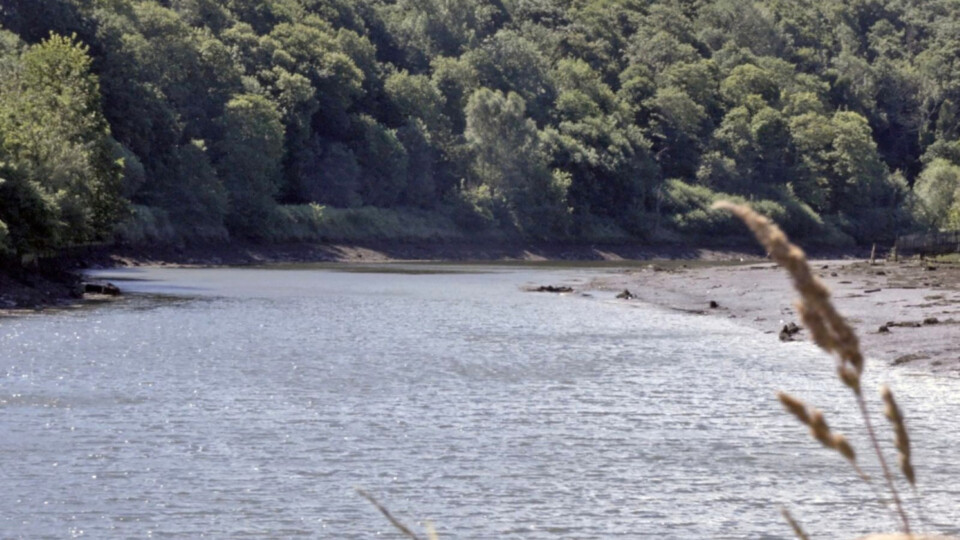
The River Esk catchment is home to nationally significant wildlife species that are currently in decline, with some at risk of disappearing within a generation. The 28-mile waterway flows from the North York Moors to the North Sea at Whitby and is celebrated as the only major river in Yorkshire to support Atlantic salmon. It is ecologically renowned for harbouring England’s last significant population of critically endangered freshwater pearl mussels and is home to otters and water vole.
The REConnect programme is led by a group of organisations including the North York Moors National Park Authority, Yorkshire Wildlife Trust, Groundwork and the Yorkshire Marine Nature Partnership, bringing together experts in climate, ecology and community action. It aims to strengthen people’s relationship with the River Esk and surrounding landscapes based on the idea that when people develop a meaningful connection with nature, they are more likely to care for and protect it.
Funded by The National Lottery Community Fund, REConnect has been established as a demonstrator project to test how place-based approaches can help reverse biodiversity loss and boost resilience in local communities.
The first findings from a 5-year evaluation led by York St John University reveal that emotional and sensory engagement with nature plays a critical role in shaping environmental attitudes and behaviours.
Researchers found that nature connection goes beyond simply spending time outdoors. Meaningful experiences like watching wildlife, exploring riverside habitats, taking part in conservation activities or engaging with nature through art and culture help foster empathy, responsibility and a deeper understanding of the natural world.
Participants reported that direct encounters with nature improved wellbeing, strengthened emotional attachment to local landscapes, and increased their motivation to take positive environmental action.
The report highlights how behavioural change is a gradual and collaborative process. By building awareness of local environmental issues and encouraging emotional connections with the River Esk, REConnect is helping communities develop the skills, confidence, and motivation needed to become active stewards of nature.
One of the most significant findings from the first year of research is the untapped potential of local knowledge and informal citizen science, or non-professional, networks. Many residents already observe changes in wildlife, water quality, and local habitats through everyday experiences. Researchers believe that with the right support, training and simple monitoring tools, these existing networks could become a powerful force for community-led conservation. They also stress the importance of passing on this knowledge to younger generations.
Researchers found that childhood experiences in nature often shape lifelong attitudes toward conservation. As a result, engaging children and young people is seen as critical to creating lasting behavioural change. By involving families in outdoor activities, citizen science projects, and environmental education, REConnect hopes to strengthen pro-environmental behaviours across entire communities while fostering a shared sense of responsibility for local landscapes.
Based on the Year 1 findings, researchers have identified several key opportunities to strengthen nature engagement and community participation across the catchment.
- Expand place-based education programmes that emphasise source-to-sea connectivity, natural river processes, and ecological timescales, using experiential and sensory learning approaches.
- Develop intergenerational learning initiatives, particularly involving children and young people, to rebuild lost ecological knowledge and reinforce pro-environmental norms within families and communities.
- Formalise and support citizen science networks, recognising existing informal monitoring, providing simple tools, training, and feedback loops to build capacity and shared ownership of data.
- Strengthen partnerships with schools, outdoor centres, and community organisations in socially deprived and adjacent areas to broaden access and participation.
- Co-design engagement with farmers and landowners, addressing water scarcity, regulatory pressures, and ecological goals through dialogue, flexibility, and shared problem-solving.
- Use creative social messaging and visible stewardship (e.g. art, signage, public events) to normalise responsible behaviours and reinforce collective action.
- Address barriers to access by exploring responsible access codes, clearer communication around safety and pollution, and opportunities for negotiated access where appropriate.
- Integrate heritage, food traditions, and traditional skills into engagement activities to connect sustainability with local identity and everyday practices.
- Provide spaces to acknowledge climate anxiety and loss, while foregrounding hopeful narratives of recovery, resilience, and positive futures through collective action.
Dr Jenny Hall, Associate Professor in Cultural Geographies at York St John University said: “Our research highlights that positive and lasting results grows from meaningful experiences in nature, strengthened by community insights and a sense of shared responsibility. By combining hands-on learning with local knowledge and citizen science, communities can play a powerful role in driving sustainable behaviour and conservation action.
“The next phase of our work is to understand what nature in the Esk Valley means to people living there and how we can protect it together.”
The research team at York St John has now launched a new survey specifically aimed at residents within the River Esk and Coastal Streams Catchment. Researchers are seeking to understand if the community’s obvious love for the wildlife and waterways is translating into measurable long-term behavioural changes in everyday life.
The survey outcomes will help the programme partners better understand which activities create the greatest impact and help them to design future programmes that generate meaningful and lasting community engagement.
Take the survey https://yorksj.eu.qualtrics.com/jfe/form/SV_5t0msD0LvuaDNoG