
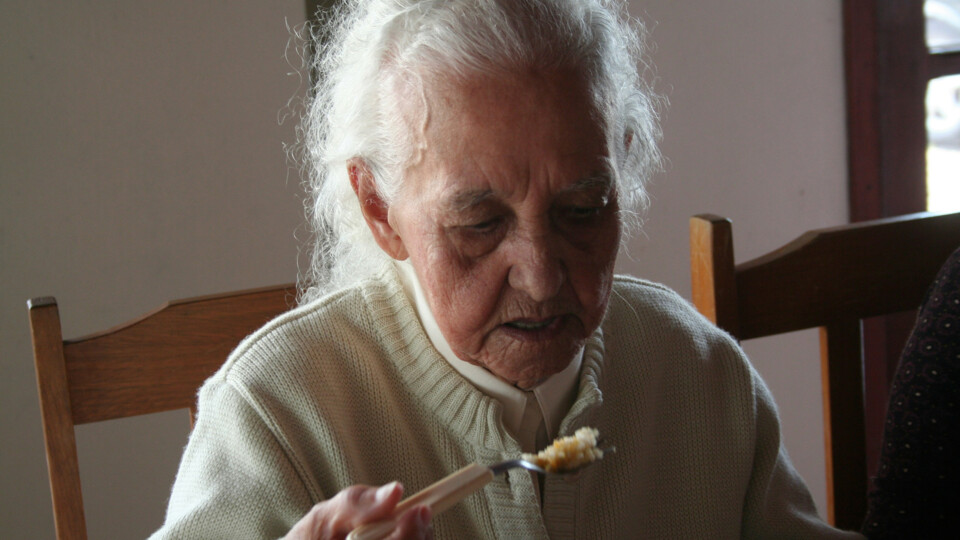
University of Bradford to lead £2.4m national trial to rethink swallowing care
The University of Bradford has been awarded £2.4 million from the National Institute for Health and Care Research (NIHR) to lead a landmark clinical trial that could reshape care for people with swallowing difficulties, including those living with dementia and other neurological conditions.
The INGEST Trial (dIscontinuing or continuiNG thickEned fluidS Trial), led by Dr Lindsey Collins, Associate Professor in the Centre for Applied Dementia Studies, in collaboration with the York Trials Unit, will investigate the clinical and cost effectiveness of stopping the use of thickened fluid, a widely used but often debated intervention for people with dysphagia (swallowing difficulties).
“This is a pivotal moment for swallowing care,” said Dr Collins. “We’re asking a bold and important question: what if discontinuing thickened fluids actually improves quality of life? This trial will provide the robust evidence needed to guide future practice. This is exactly the kind of research we’re proud to lead – collaborative, inclusive, and designed to make a real difference. It reflects our strategic vision to deliver research that improves lives locally, nationally, and globally.”
The Royal College of Speech and Language Therapists Chief Executive Steve Jamieson said: “We’re incredibly pleased to see this research commissioned by the NIHR. Speech and language therapists play a key role in assessing, identifying, and supporting people’s eating, drinking and swallowing difficulties and there’s real debate within the profession around the use of thickened fluids as an intervention for adults with oropharyngeal dysphagia. This research will provide vital insight to address this uncertainty and deliver important evidence which speech and language therapists and others can use when supporting people with swallowing difficulties, including those living with dementia and other neurological conditions.”
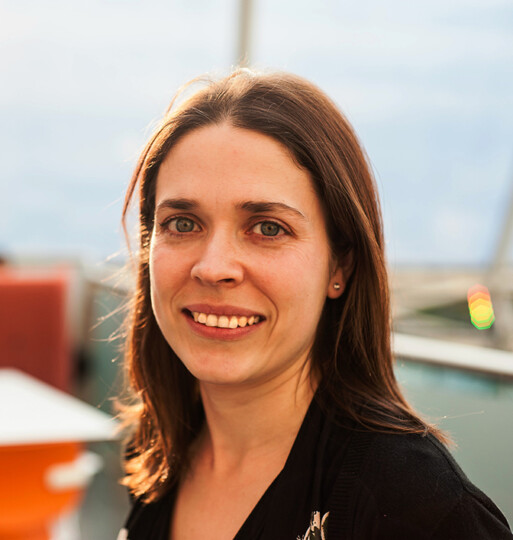
Dr Lindsey Collins, Associate Professor in the Centre for Applied Dementia Studies at the University of Bradford. Picture credits: University of Bradford.
Why this research matters
Thickened fluids are routinely prescribed across the NHS, yet evidence of their benefit remains limited and concerns about patient experience persist. INGEST aims to address this critical gap and generate clear guidance for clinicians, carers, and decision-makers.
The INGEST trial is an example of the University of Bradford’s commitment to applied, impactful research.
Sherif El-Khamisy, Pro Vice-Chancellor, University of Bradford, said “This landmark NIHR award is a powerful endorsement of the University’s strength in innovation that is rooted in real-world impact. Leading a national trial of this scale shows how our researchers are not afraid to challenge established practice, ask bold questions, and generate the high-quality evidence needed to transform care. The INGEST trial exemplifies our mission to deliver collaborative, patient-centered research that improves lives, informs national policy, and reinforces Bradford’s position as a leading force in applied health research.”
How it will work
The four-year randomised controlled trial will recruit 366 adults with slowly progressing dysphagia who have been using thickened fluids for at least one month. Participants will be randomly allocated to either continue or discontinue thickened fluids, with outcomes measured over 12 months.
Key features include:
- A co-designed discontinuation protocol created with clinicians, carers, and people with lived experience
- A mixed-methods process evaluation to understand real-world implementation
- A cost-effectiveness analysis to inform NHS resource planning
- A strong focus on inclusivity, with strategies to engage underrepresented groups
The trial will be delivered in partnership with the York Trials Unit, working alongside a national team of experts in speech and language therapy, health economics, behavioural science, and public and patient involvement.
Partnership working
The trial has received strong support from:
- The Royal College of Speech and Language Therapists (RCSLT), who will help disseminate findings and influence national guidance
- The NIHR Yorkshire and Humber Patient Safety Research Collaboration
- The British Dietetic Association
- The NHS West Yorkshire Integrated Care Board
- Over a dozen NHS Trusts and SLT services across the UK
Lived experience
The trial is co-produced with people who have direct experience of dysphagia, including those living with dementia, those with progressive neurological conditions and family carers. Their insights have shaped the trial design, outcome measures, and communication materials.
“This is research with people, not just about them,” said Dr Collins. “We’re proud to work alongside experts by experience to ensure the trial is inclusive, respectful, and meaningful.”