Sustainable Property through Architecture and Design
Approximately 45% of greenhouse gas emissions in West Yorkshire are generated by buildings, and it is this aspect where those in the industry and even homeowners can make a difference.
The tightening up of UK Legislation requires all new buildings meet set emissions targets, however we have Europe’s oldest building stock and the biggest challenge we face to be sustainable is ensuring that our existing buildings are retrofitted and repurposed.
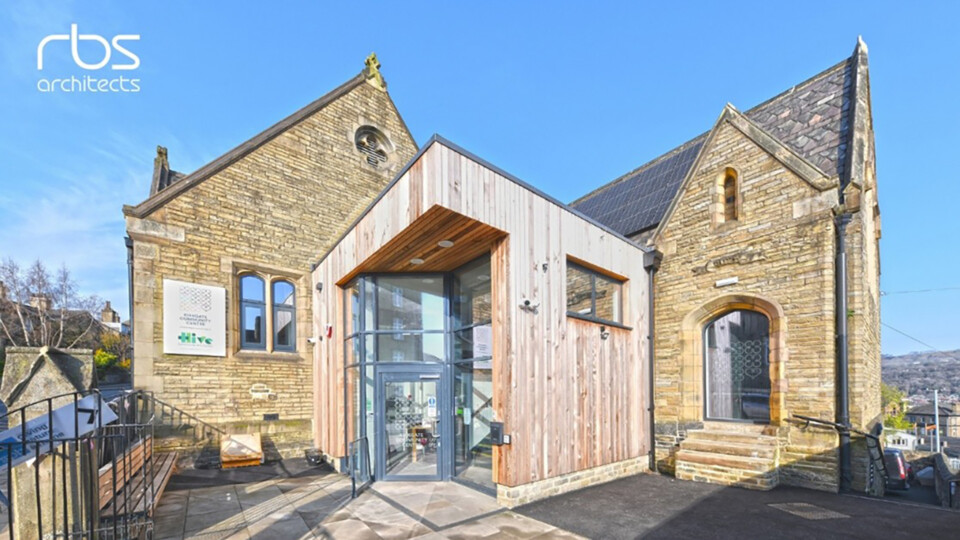
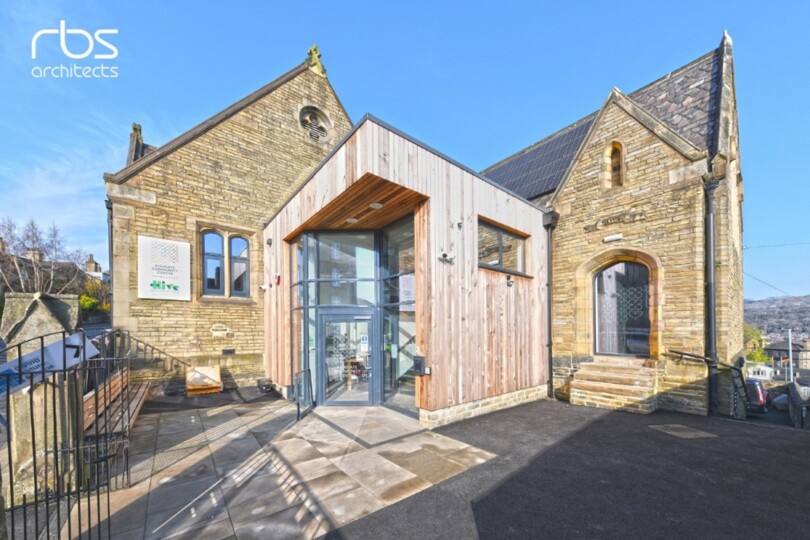
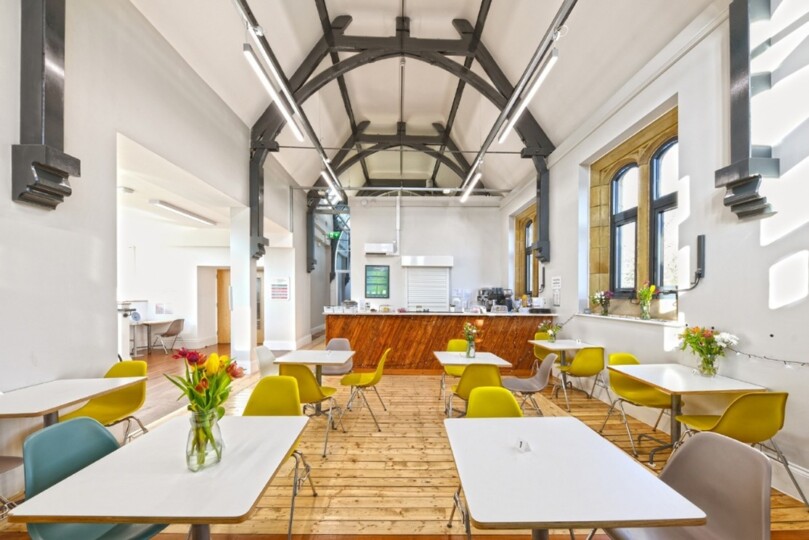
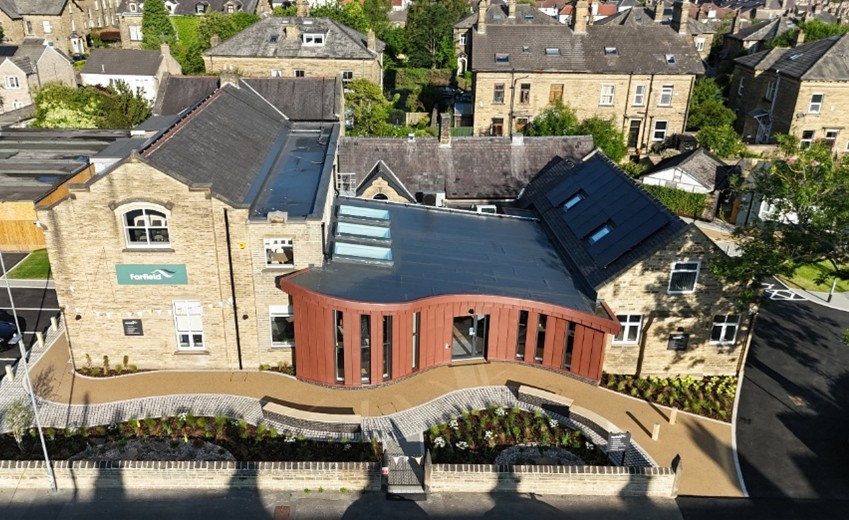
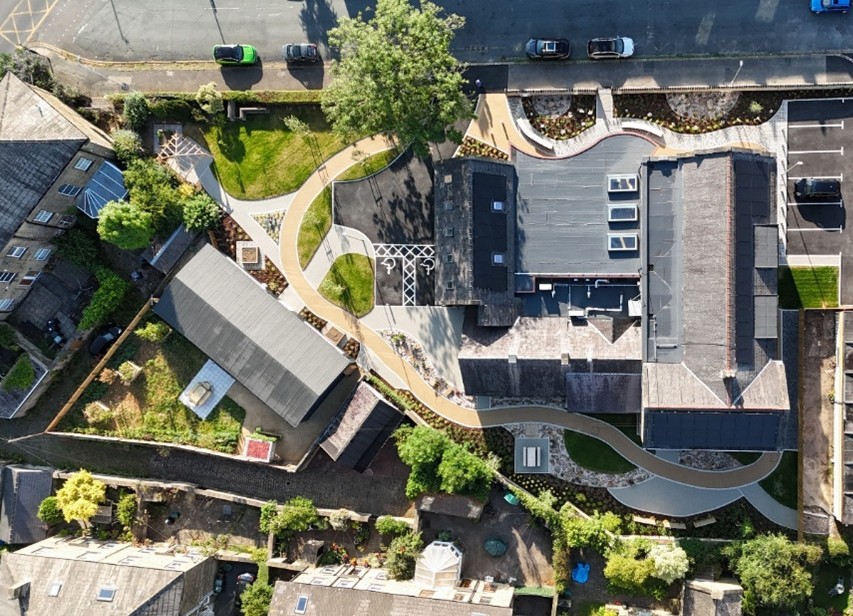
To meet this challenge the award-winning Shipley Sustainable Community Hub showcases how RBS Architects led the regeneration of a dilapidated Victorian School Building to create a sustainable vibrant community arts hub. This local heritage asset is now a focal point for the community, offering services to tackle social isolation, promote well-being and provide family activities.
Before the works the building was not welcoming, inaccessible, and an uninsulated space with very high running energy costs.
By using a ‘fabric first’ approach to design; bringing the thermal fabric up to current standards, integrating new energy efficient mechanical and electrical systems and offsetting the remaining energy consumption by the installation of photovoltaics and air source heat pumps, we have helped create a building which now provides thermal comfort combined with lower energy use.
Through whole life carbon assessment, we know that 20% of our total building emissions come from embodied carbon arising from material extraction, manufacture and construction. The solution to sustainable property therefore does not necessarily come from demolition and new build, but from retrofitting our current buildings.
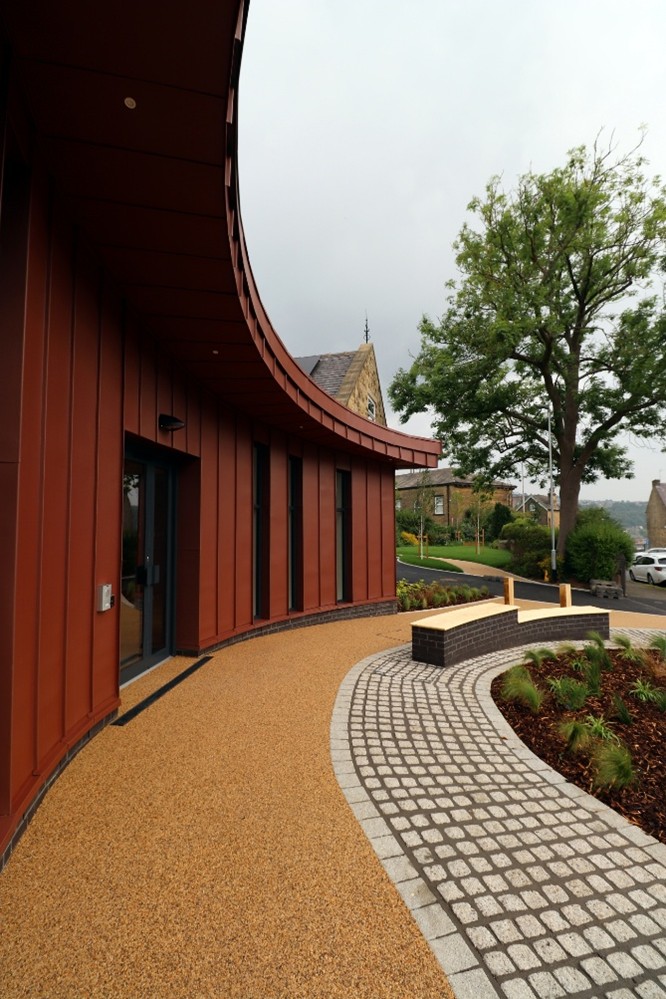
In line with the Cellar Trust’s mission to prioritise sustainability the recently completed transformation of The Cellar Trust’s building into an invaluable facility demonstrates how this can successfully be achieved. This transformation will enable the charity to expand its specialist mental health support.
The building was a C-shaped Victorian School building, with high uninsulated wall area and extensive corridors and poor wayfinding.
The retrofit has brought new life into the existing building with the creation of a new atrium within the central courtyard. This reduces external wall area, reduces corridors, and created a central circulation space/café/meeting/breakout area. The square compact shape helped reduce energy requirements for the building and made more efficient use of the space. Photovoltaics were also used, low energy and water saving fittings were incorporated in the refurbishment throughout and the creation of a wellbeing garden and vegetable areas were incorporated for the community.
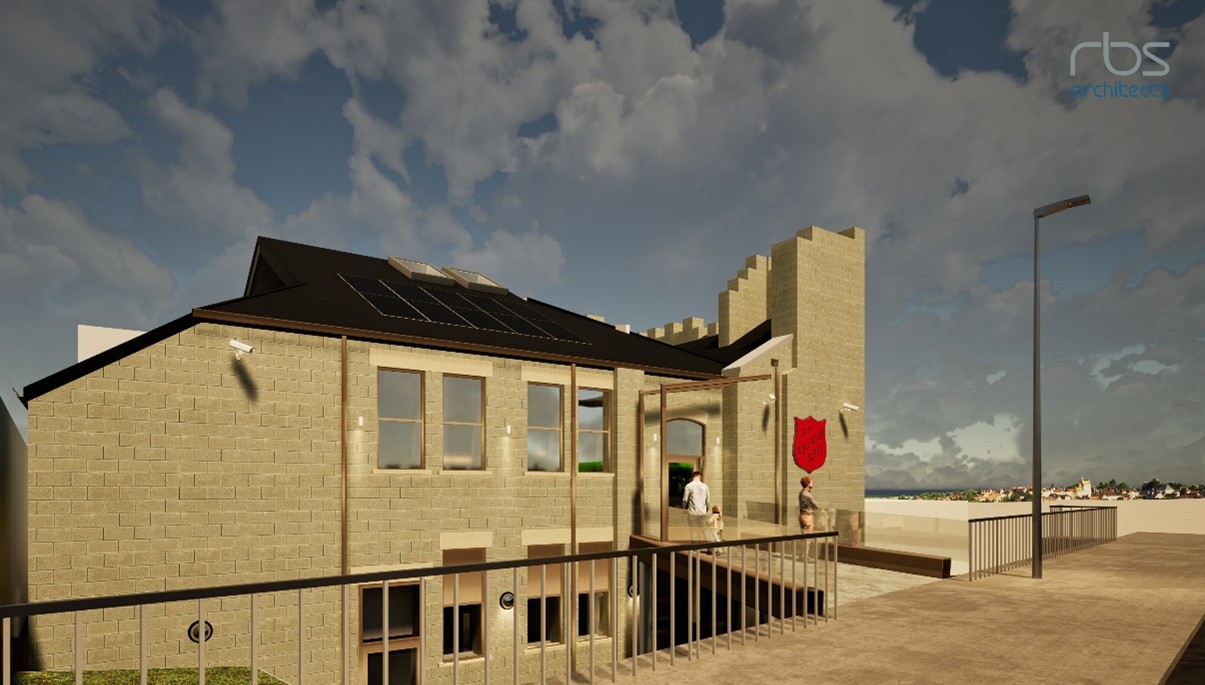
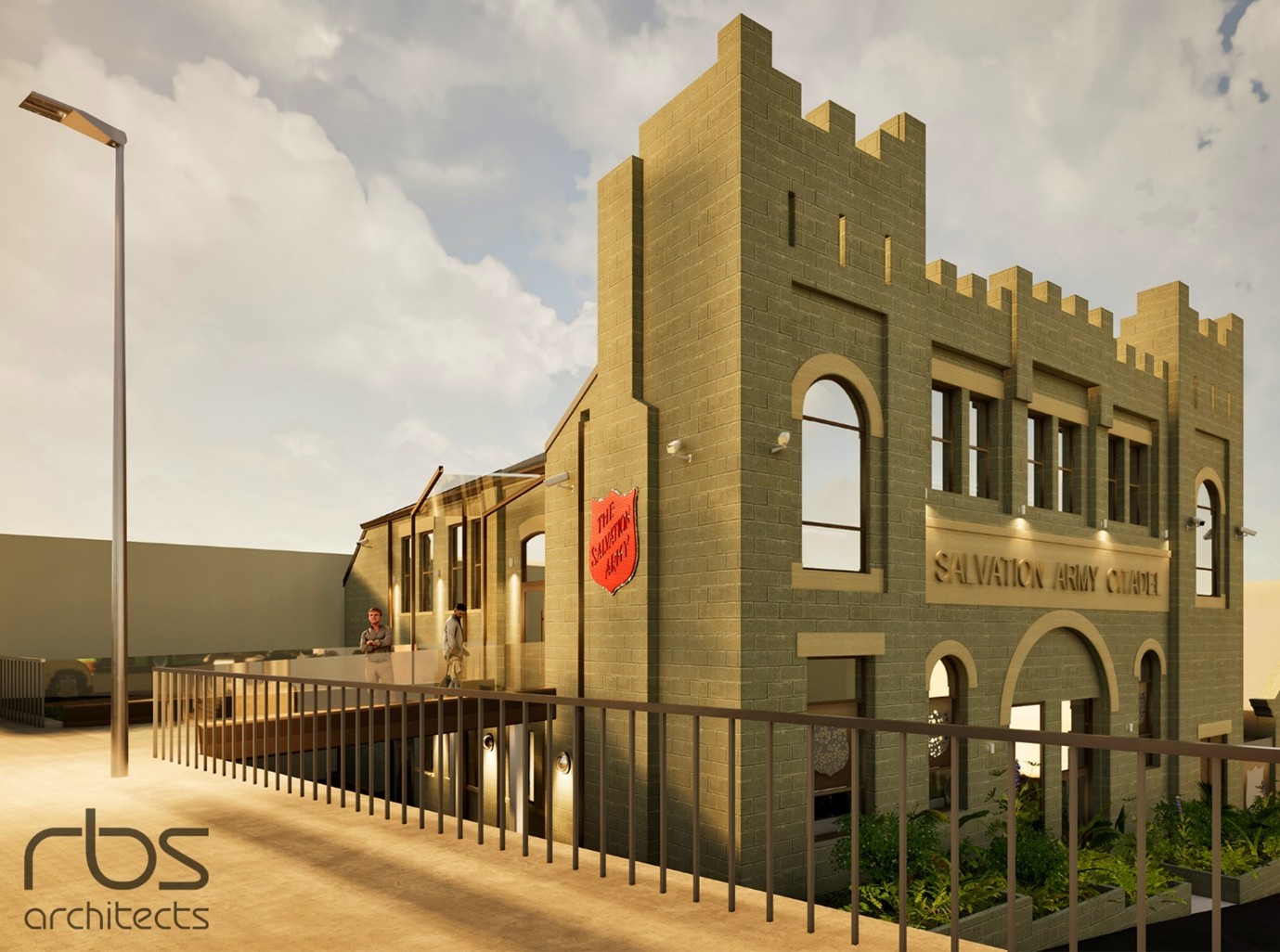
More recently works have just started on site to transform the Salvation Army’s Citadel Building on Foxes Corner, in Shipley.
The Citadel Building is in a very poor state of repair and with its refurbishment the Salvation Army will be one step closer towards its goal of a carbon-neutral future. By completely upgrading the building fabric the building when completed will be constructed to current environmental standards. It will also benefit from completely new modern mechanical and electrical systems including Photovoltaics and air source heat pumps. More importantly the introduction of level floors, lift and new bridge link off Commercial Street create accessibility for all guaranteeing the longevity of this landmark building.
Rance Booth Smith Architects we are very aware of the significant impact we can have at the early stages of a project.
As Architects we pride ourselves on delivering innovative architectural solutions and combined with our in-house architectural sustainability experts, we deliver an integrated approach to sustainable low carbon design.
Over a number of years, we have achieved recognition at the Chamber’s Raising the Bar Awards for our contribution to the Environment.
For any information or advice on this aspect please contact Caroline Batson at saltaire@rbsarchitects.co.uk