
Iran war pushing up cost of borrowing for small businesses
The ongoing war in Iran which is pushing up the cost of borrowing for Yorkshire small and medium enterprises (SMEs) may be the final nail in the coffin for some businesses, says a sector specialist.
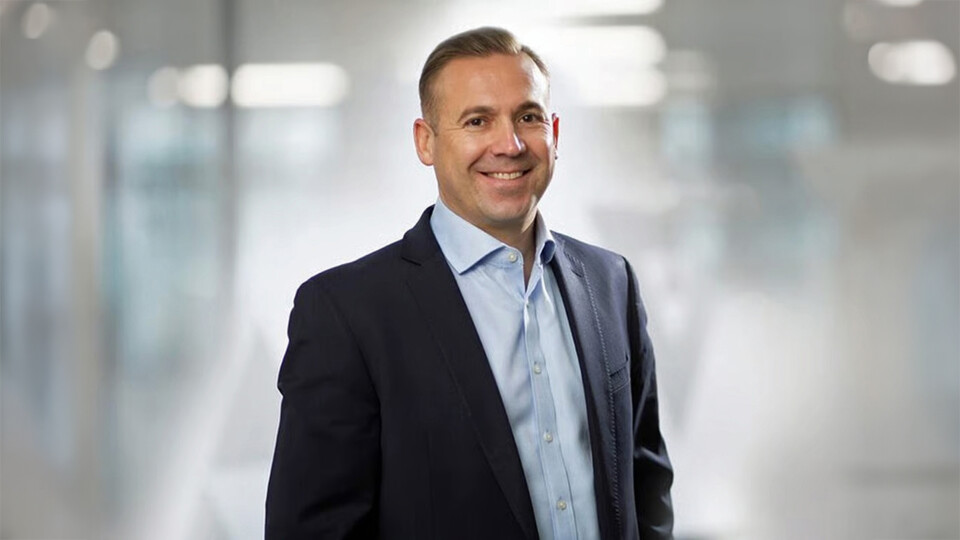
Mark Barrie, head of debt advisory at UK top 10 accountancy firm Azets, believes the war – which began in February and continues sporadically – is likely to prompt unexpected interest rates rises which will also curb investment.
He said: “It is a tough time for SME businesses what with this and the knock-on effects of all the other pressures they are currently facing adding up to a big squeeze on margins, and it could well lead to casualties..
“I speak to business owners every day of the week – with sectors such as manufacturing, logistics, haulage, hospitality and construction particularly affected – and there is a general feeling of uncertainty.”
Azets is the UK’s specialist business advisor to SMEs which make up 99% of the UK’s 5.7m businesses and employ more than half the workforce.
The firm has three offices in Yorkshire, in Leeds, Bradford and York, where it employs 335 people.
Mark said prior to the war it was believed Bank of England (BoE) base rate reductions would have been scheduled for 2026 with the rate likely to have been around 3% by the end of the year or the start of 2027.
He said: “Not only has that been put on hold, but most economists and commentators are suggesting that there may be one or two hikes the other way from the current rate which has been held at 3.75% since January.
“Therefore, many people either planning or considering whether to take finance would have believed the cost of borrowing to be coming down.
“It is not surprising that there is a reduced appetite for debt which matches the fewer lending options being available.
“The worst case scenario now is that we are going to see some casualties, some businesses which will be seen in the insolvency and administration numbers.
“Some just think that loading additional debt – to take on new projects or new staff or for marketing or whatever else – is the answer out of this, but some of them just can’t afford the debt they are acquiring and this will be the final nail in the coffin.
“Others will argue that if they do not do it the business is finished anyway so it’s one last throw of the dice, but some shouldn’t be rolling the dice – they should be calling it a day or streamlining the business.”
Mark has advised SMEs on matters such as new strategic initiatives, growth and expansion, as well as raising new and additional funding for more than 25 years and also has a wealth of experience helping those businesses in distress and those experiencing trading difficulties.
He said one positive aspect was that many of the post-Covid loans SMEs took out – generally on six-year terms – would be running off now, which was good news as there would be reduced loan repayments to find.
“However, if they are looking to now secure new finance it will be more expensive than previously because the base rate was 0.1% or 0.5% and it’s now 3.75%.
“This will make SMEs think deeper and longer before they make the leap with investment – some will put it off, some will do less, some will not do it at all.
“For the majority of commercial businesses they will be on a variable base rate or a tracked product linked with the base rate.
“Not many take fixed rates, so that is going to affect them and be front of mind when they consider whether to go ahead with certain projects.”
Mark added that increased funding costs would be added to the myriad other pressures currently being faced by SMEs. These include rapid rises in fuel costs, increased employer National Insurance contributions, new business rates, pension contributions, minimum wage increases, higher energy costs, supply chain issues and continuing cautious consumer spending.
“Anyone in textiles or manufacturing or whose goods go through the Strait of Hormuz are also being hit by delays and container prices have gone up – which is what we saw post-Covid – and the cost of air freight has increased as well.
“Also, the high cost of fuel in the UK is affecting, particularly, logistics and haulage companies and also anyone who relies on those sectors to get their supplies or their product moving.”
The Drewry World Container Index (WCI) increased 6% to US$2,712 per 40ft container in late May, mainly due to higher freight rates on the Asia to Europe trade route. This was the highest figure since July 2025, although still less than the 12-month high of $3,543 in June 2025.
A survey from the British Chambers of Commerce has revealed that 80% of firms report an existing or expected impact from the Iran conflict, including energy price increases, shipping disruption and rises in raw material costs.
The manufacturing sector was seeing the biggest impact, with 68% of firms already affected by the unrest and 23% expecting an impact.
Three-quarters of businesses expected their energy bills to increase over the next 12 months, with most expecting the rise to be by more than 20%, and over a third (36%) of firms said they were expecting difficulties paying their energy bills over the next 12 months.
Mark added: “As a debt advisor we are saying to businesses to lift up the bonnet and look underneath at the engine of the business and see what the forecasts and cashflows look like.
“That is never going to change as sensible advice for SMEs to really do some financial due diligence behind things and analysis of where their business is and what it can afford.
“If they can look at that, by the time they approach a lender or an adviser they have got that information to hand and will have a good indication of how the future lies.
“Of course, businesses should remain vigilant and any with financial worries or who are actually in distress should seek professional advice as quickly as possible to give them the best chance of survival and recovery.”